Common Myths About FKK Clubs (And What German Sauna Clubs Are Really Like)
Half the internet thinks FKK clubs are nudist spas. The other half thinks they're illegal. Neither is right. Ten myths about German sauna clubs, checked against the law, the operators' own price pages, and what the women working there actually say.
If you've only heard of FKK clubs through porn, a Reddit thread, or a friend who went to Frankfurt once and won't shut up about it, you've probably got the picture wrong. The name doesn't help. "FKK" sounds like a wellness retreat, half the internet treats these places like swinger clubs, and the other half treats them like something illegal. They're neither.
Most of what gets repeated online is a half-truth that started in a forum, got passed around, and hardened into "fact." Here are the ten myths people actually believe about German sauna clubs, and what the law, the operators, and the women working there actually say.
1. "FKK clubs are just nudist spas: it's a German naturist thing, nothing to do with sex."
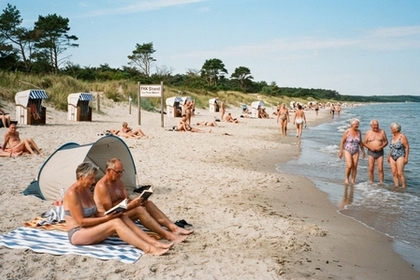
FKK does stand for Freikörperkultur, "free body culture," and that genuinely is a non-sexual German naturist tradition with a century of history behind it. Beaches, campgrounds, lake-side meadows. Real, wholesome, mostly older people playing volleyball in nothing but suncream. You'll still find it on the Baltic coast and in the old East German holiday spots where it was mainstream culture, not a fetish.
But the commercial venues calling themselves "FKK clubs" or "sauna clubs" are not that. They borrowed the name, and it's worth being annoyed about, because the borrowing is why this entire list exists. German Wikipedia defines these venues outright as Bordellbetrieb (brothel operations) that use sauna facilities to arrange sexual contacts. The English Wikipedia entry on FKK notes the same thing: the label is used "erroneously or falsely" to refer to what are effectively licensed brothels. So when you see "FKK" on a club's sign, read it as marketing, not as a naturist credential.
The naturist movement is real and still exists. The clubs using its initials are a different thing entirely. That gap is where most of the confusion on this list starts, and it's why, if you booked expecting a spa, you'd be surprised by what's actually on offer.
2. "Wait, is it even legal? I thought prostitution was illegal or a grey area in Germany."
Legal, and regulated. Prostitution was decriminalised under the Prostitutionsgesetz of 2002, which stripped away the old legal grey area and recognised sex work as a profession. It was then brought under a tighter licensing regime by the Prostituiertenschutzgesetz (ProstSchG), effective 1 July 2017. The new law was partly to protect workers and partly to push back at the exploitative operators the 2002 law had let through the door.
Under ProstSchG, an FKK or sauna club needs an official operating permit to open at all. Workers must register with their local authority and attend mandatory health counselling before they can work. Condom use is required for every act (oral, vaginal, anal) under §32. The BMFSFJ-funded plain-language explainer lays this out in English if you want to read it yourself.
So no, it's not a grey area. It's a licensed, inspected industry. That doesn't mean every operator is honest; licensing is only as good as the local authority enforcing it. But the framework is explicit and on the books, and the club you're walking into has had to clear a bar to get there.
3. "It's all-inclusive: one entry fee and everything's included."
This is the myth that costs people money. Entry gets you the building: the sauna, the pool, the buffet, the soft drinks, a robe, and a locker. That's it. Sexual services are negotiated and paid separately, directly with the woman you've chosen. FKK Club Lancelot states this plainly on its own prices page: the entry fee "does not include sexual services," which are "to be agreed upon alone with the lady, who works as an independent contractor." That's an operator saying it, not a forum rumour.
One wrinkle. A minority of clubs run a Pauschalclub flat-rate model, where a higher entry fee is marketed as covering unlimited sessions. It exists, but it's not the norm, and the full breakdown of how it works (and which clubs use it) is in our complete guide to visiting FKK clubs in Germany. Don't walk into a standard club expecting all-inclusive, and don't assume the flat-rate pitch means what you think it means.
4. "You have to be naked the whole time: that's what FKK means."
Male guests don't walk around naked. You'll be given a robe or a towel, and that's what you wear in the common areas. The women working are usually nude or in lingerie, and a few clubs, like Artemis in Berlin, require full nudity from workers. But you, the guest, are not going to be standing at the buffet in nothing but your wallet.
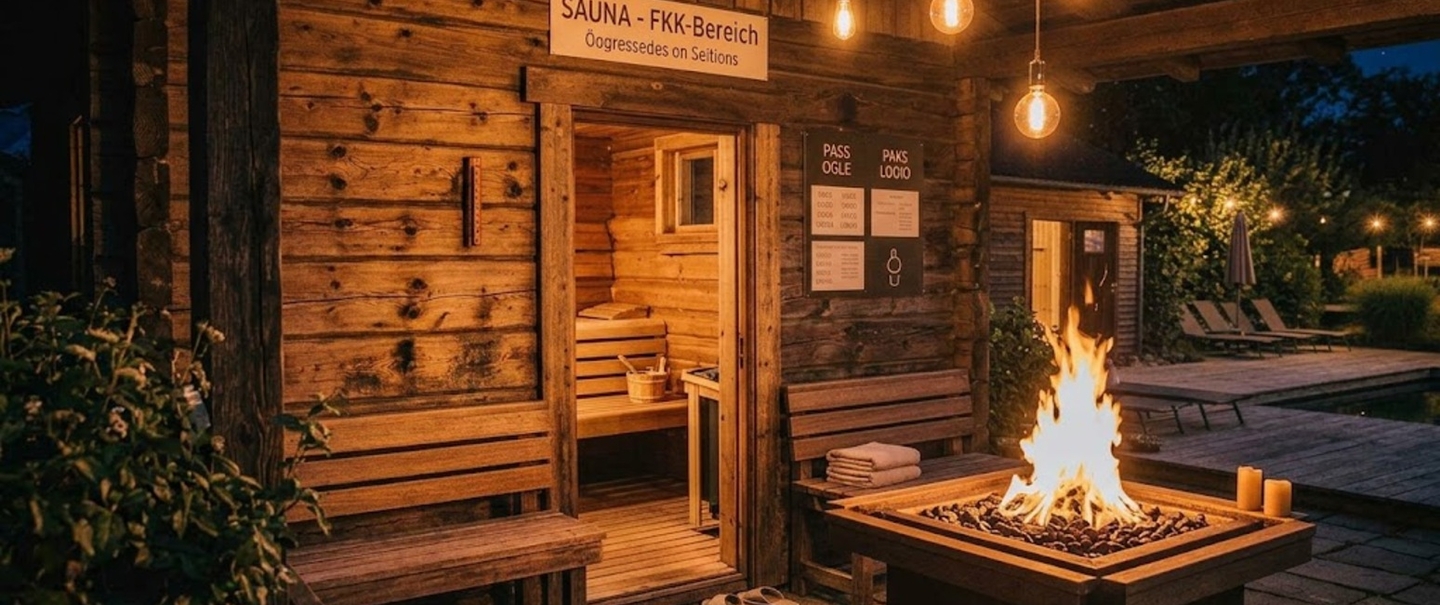
Where you do take everything off is the sauna and pool areas. That's standard German sauna etiquette, textilfrei (clothing-free), and it applies in regular public saunas too, not just here. iamexpat.de's sauna guide covers the basics if you've never done a German sauna before. The short version: shower first, sit on your towel, don't stare. Norms vary by club and by area within a club, so check the club's own site or ask at reception rather than trusting whatever you read about one place.
5. "It's basically a swinger club, right? For couples?"
No. And this one matters, because a couple who turns up expecting a swinger club has booked into the wrong venue entirely.
An FKK sauna club is a commercial sex venue: independent workers offer paid services to guests, who are mostly men. A Swingerclub is a different thing. It caters to couples and single women for consensual group play, with no paid workers involved. German Wikipedia's entry on Kontaktsauna draws the contrast explicitly. If you're a couple looking for a place to play with other couples, an FKK club is not it. If you're a single man looking to pay for a service in a sauna setting, it is. Knowing which one you're booking is the whole game.
6. "The women are employed by the club, like staff."
They're not employees. They're independent contractors who rent space from the club and run their own businesses inside it. Lancelot's legal notice says it directly: the women "work as an independent contractor and completely independent of [the club]… according to § 2 Abs. 1 UStG," the German tax law covering self-employment. The club provides the facility, the sauna, the rooms. Each worker sets her own prices and decides what services she offers.
That's why you'll get quoted different prices by different women in the same building on the same night. They're not on a menu. They're individual operators, and the variation is the point, not a sign someone's trying to rip you off. It's also why a worker can refuse a request (see myth 7). She's running her own business, not clocking into a shift.
7. "The girls have to sleep with anyone who pays: they can't say no."
Under ProstSchG, a worker has the explicit right to refuse any act and any client, and §32 specifically gives her the right to refuse anything unprotected. The law's plain-language summary is clear on this. That's the legal position. In practice, a worker who refuses too often may not make money that night, and the economics are real. But the right is not in doubt. If you're told no, the answer is no.
8. "They must be STD-tested regularly: it's regulated, so testing is mandatory."
This is the one to get right, because the confident version of it is false. And if you're making decisions about your own health on the assumption that it's true, you're working off bad information.
Here is what the law actually says. ProstSchG mandates health counselling at registration: a consultation with a health professional, not a medical test. The 2002 Prostitutionsgesetz abolished the old mandatory health checks that used to exist. Condom use is required by §32 for every act. But routine STD testing is not a federal legal requirement, and nobody can tell you it is. Wikipedia's overview of the law's history and the official explainer both confirm this.
Some clubs and some states impose their own local testing requirements, and many workers test regularly on their own initiative. Some don't. There is no central register of who has been tested and when, and nobody checks at the door. "It's regulated, so they're tested" is the version people repeat, and it is not accurate. Testing is the worker's individual responsibility, not a guarantee handed to you with your locker key. If that matters to you, use the condom the law requires and don't assume a licence is a health certificate.
9. "These places are dirty and seedy."
They're not, the regulated ones, and that's the whole point of the 2017 law. To get and keep an operating permit under ProstSchG (§§12 and following), a club has to meet health, hygiene, fire-safety, and facility standards. The well-known venues (Artemis, Sharks, Oase, Lancelot, Sakura) market their pools, saunas, and restaurants as core amenities, not afterthoughts. German Wikipedia's Kontaktsauna entry lists the typical facilities: saunas, whirlpools, rest areas, erotic cinemas, private rooms. If you visit a licensed club, you're walking into a building that had to pass an inspection.
Quality still varies, and anyone who has been to more than one of these will tell you that. A licensed club is held to a standard; a backroom operation is not, and the difference is usually obvious the moment you walk in. The regulated venues have a reception, a cloakroom, a building that looks like it passed an inspection, because it did. Whether a specific venue is actually any good is a different question, and that's what our FKK directory is for. Read the reviews, don't rely on the stereotype.
10. "It's a free-for-all: sex anywhere, no rules."
The opposite is closer to true. No photography anywhere on the premises; phones go in the locker, and that rule is not a suggestion. Shower before you use the sauna or pool. At most clubs, services happen in private rooms, not the common areas. And at many clubs, the workers are not allowed to approach you; you go to them. EroticAdvisor's guide and WikiSexGuide both describe these house rules, and they line up with what first-timers on r/FkkSaunaClubs report when they actually visit.
The "anything goes" expectation is a porn script. The reality is more structured than a first-timer expects, which, if you're nervous, is actually the good news.
So what is an FKK club, really?
A licensed, regulated commercial sex venue that borrowed a naturist acronym, runs on independent contractors, charges entry for facilities and negotiates services separately, and is more rule-bound than its reputation suggests. Not a spa, not a swinger club, not a free-for-all, not illegal, and not a place where anyone is legally required to do anything with you.
If you've read this far and you're still curious about actually going, the practical side (how entry and session pricing work, what to bring, how to approach a worker, the Pauschalclub exception) is all in our complete guide to FKK clubs in Germany. And if you already know which city you're heading to, you can browse FKK clubs near you or compare the best FKK clubs in Berlin before you book.
 Countries Where Brothels Are Legal (2026 Guide)
Brothels are legal in fewer places than most people think. See where, what 'legal' means in each country, and what changed in 2026.
1 week ago
Blog
Countries Where Brothels Are Legal (2026 Guide)
Brothels are legal in fewer places than most people think. See where, what 'legal' means in each country, and what changed in 2026.
1 week ago
Blog
 Why Germany Became Famous for FKK Culture
FKK means Freikörperkultur, free body culture. How a 1795 essay, Weimar clubs, and the GDR made Germany famous for nudism.
2 weeks ago
Blog
Why Germany Became Famous for FKK Culture
FKK means Freikörperkultur, free body culture. How a 1795 essay, Weimar clubs, and the GDR made Germany famous for nudism.
2 weeks ago
Blog
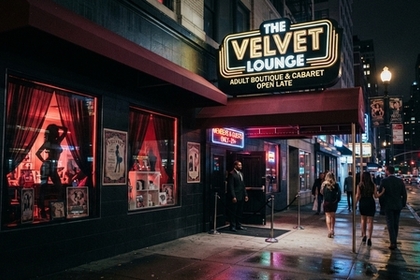 Which Adult Entertainment Experience Would You Choose? A Look at 5 Different Options
Strip club, swinger club, FKK spa, brothel or escort: what each is actually like, what it costs, and which one suits your first night out.
3 weeks ago
Blog
Which Adult Entertainment Experience Would You Choose? A Look at 5 Different Options
Strip club, swinger club, FKK spa, brothel or escort: what each is actually like, what it costs, and which one suits your first night out.
3 weeks ago
Blog
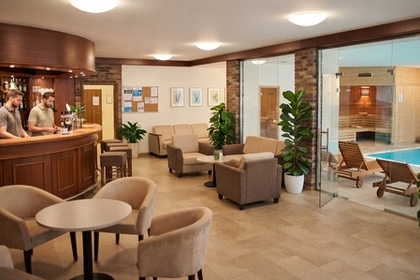 Things You Probably Didn't Know About FKK Clubs
Who pays whom inside a German FKK sauna club, why Berlin apologized to a brothel, and the house rules nobody warns you about.
4 weeks ago
Blog
Things You Probably Didn't Know About FKK Clubs
Who pays whom inside a German FKK sauna club, why Berlin apologized to a brothel, and the house rules nobody warns you about.
4 weeks ago
Blog
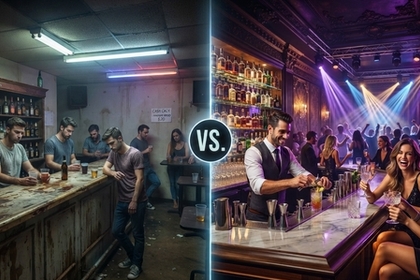 Strip Club Reviews: How to Spot Fakes & Pick a Great Club
A 4.9 built on six reviews is not better than a 3.1 built on forty-one. Learn the fake-review tells, why the 3-star reviews are the honest ones, and the five-minute check that picks your club before you pay the cover.
1 month ago
Blog
Strip Club Reviews: How to Spot Fakes & Pick a Great Club
A 4.9 built on six reviews is not better than a 3.1 built on forty-one. Learn the fake-review tells, why the 3-star reviews are the honest ones, and the five-minute check that picks your club before you pay the cover.
1 month ago
Blog
 Why Germany Became Famous for FKK Culture
FKK stands for Freikörperkultur, free body culture. Here's how a Swiss doctor's sunbath cure became Germany's national habit, and how its initials ended up over the door of sauna clubs.
1 month ago
Blog
Why Germany Became Famous for FKK Culture
FKK stands for Freikörperkultur, free body culture. Here's how a Swiss doctor's sunbath cure became Germany's national habit, and how its initials ended up over the door of sauna clubs.
1 month ago
Blog
 10 Myths About Brothels That Aren't True
Ten brothel myths, checked against actual law rather than slogan. Where they're legal, who really visits, what workers keep, and why you'll never find a posted price. With the parts that are true.
2 months ago
Blog
10 Myths About Brothels That Aren't True
Ten brothel myths, checked against actual law rather than slogan. Where they're legal, who really visits, what workers keep, and why you'll never find a posted price. With the parts that are true.
2 months ago
Blog
 7 Escort Agency Booking Mistakes First-Time Clients Make (And How to Avoid Them)
Most first-timers don't lose money on escort agency bookings because of bad luck - they skip the vetting, send the wrong first message, or pay a "deposit" in gift cards. Here are the seven mistakes that actually cost people money, and the fix for each.
3 months ago
Blog
7 Escort Agency Booking Mistakes First-Time Clients Make (And How to Avoid Them)
Most first-timers don't lose money on escort agency bookings because of bad luck - they skip the vetting, send the wrong first message, or pay a "deposit" in gift cards. Here are the seven mistakes that actually cost people money, and the fix for each.
3 months ago
Blog
 Europe Sex Guide: Best Cities for Adult Nightlife 2026
15 European sex capitals, fact-checked for 2026: what's legal, what a night really costs, and which famous spots are tourist traps.
3 months ago
Blog
Europe Sex Guide: Best Cities for Adult Nightlife 2026
15 European sex capitals, fact-checked for 2026: what's legal, what a night really costs, and which famous spots are tourist traps.
3 months ago
Blog
 What Couples Need to Know Before Visiting a Swinger Club
Thinking about visiting a swinger club as a couple but not sure what you're actually walking into? This is the honest, no-judgment guide we wish every couple had before their first night - the conversation to have beforehand, how to set boundaries you'll both hold, the etiquette nobody explains out loud, and what the night really feels like.
3 months ago
Blog
What Couples Need to Know Before Visiting a Swinger Club
Thinking about visiting a swinger club as a couple but not sure what you're actually walking into? This is the honest, no-judgment guide we wish every couple had before their first night - the conversation to have beforehand, how to set boundaries you'll both hold, the etiquette nobody explains out loud, and what the night really feels like.
3 months ago
Blog