Prostate Massage Guide: Benefits, Risks & How to Do It
Learn how to do prostate massage safely with step-by-step techniques, real benefits backed by experts, honest risk info, and answers to questions most guides skip.
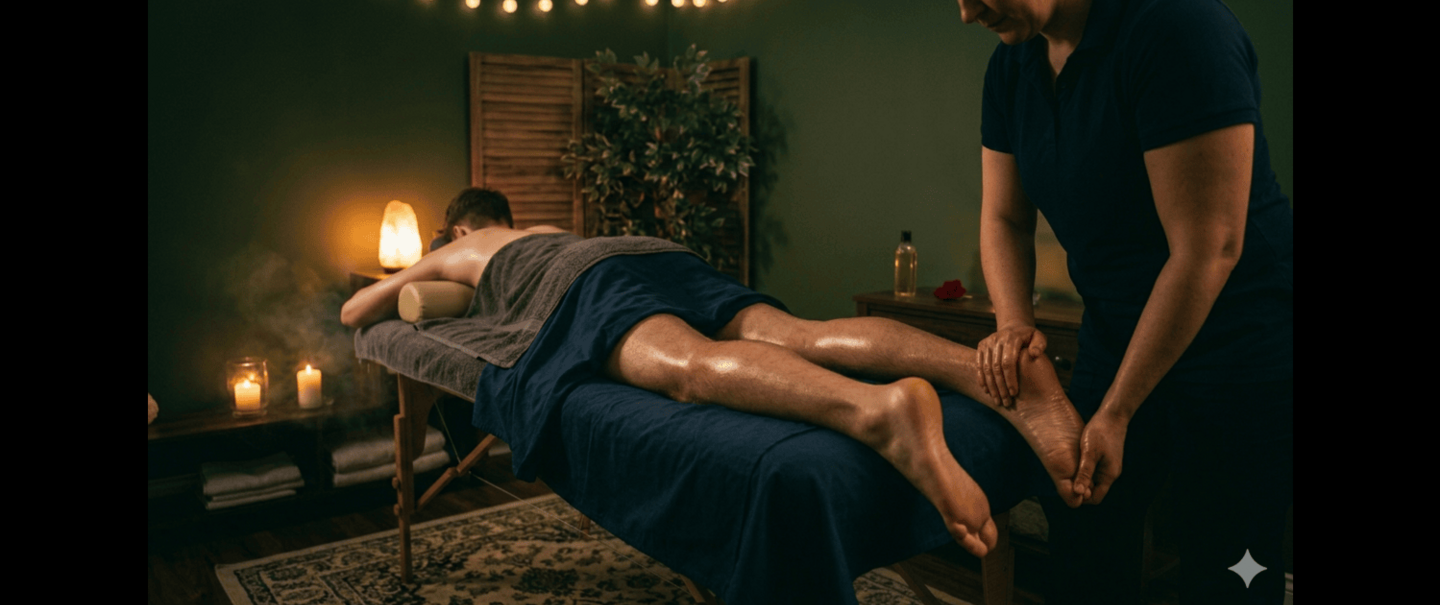
Let's get something out of the way: prostate massage is not some fringe kink reserved for a specific type of person. It's anatomy. Every person with a prostate has one, and that little walnut-shaped gland happens to be surrounded by nerve endings that can produce some of the most intense orgasms the human body is capable of.
Still, the topic makes a lot of people uncomfortable. Maybe it's the anal component. Maybe it's outdated ideas about masculinity. Whatever the reason, plenty of people are missing out on something their own body is built to enjoy, and that's a shame.
This guide covers what the prostate actually is, what the research says (and doesn't say) about massage benefits, and exactly how to try it yourself or with a partner. No judgment, no hype, just practical information you can actually use.
What Is the Prostate (And Why Does It Feel So Good)?
The prostate is a gland roughly the size of a walnut that sits just below the bladder, right in front of the rectum. Its day job is producing some of the fluid that makes up semen. But its side hustle? That's where things get interesting.
The gland sits about 2 to 4 inches inside the rectum, along the front (anterior) wall, meaning the side facing your belly button. You can feel it as a slightly rounded, firm area that's distinctly different from the surrounding tissue.
Sex educators and enthusiasts call it the "P-spot," and for good reason. The prostate is surrounded by a dense network of nerve endings that connect to the prostatic plexus, the same nerve bundle that activates during orgasm. When the prostate is stimulated, those nerves light up in ways that penile stimulation alone doesn't reach.
Here's the part that surprises most first-timers: prostate orgasms feel fundamentally different from regular orgasms. People describe them as deeper, more diffuse, spreading through the whole body rather than being concentrated in one area. Dr. Evan Goldstein, a surgeon specializing in anal health at Bespoke Surgical, puts it this way: "For anyone who has ever had an orgasm while having their prostate stimulated, they know that it's a unique orgasm in that it can be felt from head to toe, sending shivers up and down your spine."
And unlike penile orgasms, prostate orgasms don't always come with ejaculation, and they often don't trigger the same refractory period. Which means multiple rounds are genuinely on the table.
Benefits of Prostate Massage
Pleasure and Sexual Benefits
This is where the evidence is strongest, not from clinical trials, but from the overwhelming consensus of people who've actually tried it. Prostate stimulation can produce orgasms that many describe as the most intense sexual experience of their lives.
Beyond the orgasm itself, regular prostate play often leads to greater body awareness. You learn what pressure, speed, and angles work for you, which tends to improve your sex life across the board. Couples who incorporate prostate massage also report that it deepens intimacy and trust. There's a vulnerability to it that can bring partners closer together.
Some people also find that prostate stimulation improves erection quality. Dr. Joshua Gonzalez, a urologist quoted in Men's Health, points to improved blood flow as the likely mechanism. The prostate, penis, and urethra share nerve pathways, so stimulating one area can have a ripple effect on the others. That said, if you're dealing with actual erectile dysfunction, see a doctor. This isn't a replacement for proven treatments like sildenafil or tadalafil.
Potential Health Benefits
Here's where you need honest framing, because the internet is full of overclaims.
Chronic prostatitis and pelvic pain
There's some clinical evidence that prostate massage can help with chronic prostatitis (specifically the non-bacterial kind, called CPPS). A study from UCLA's Institute of Male Urology found that combining prostatic massage with antibiotics led to complete symptom resolution in 40% of patients. Sounds promising, right? But a 2006 study found that massage added no significant benefit over antibiotics alone. And a 2018 review concluded there simply isn't enough evidence to make a definitive call.
The working theory is that massage unblocks clogged prostatic ducts. Dr. Goldstein compares it to "a clogged drain that's backed up with lots of pressure." Releasing that built-up fluid may reduce inflammation and discomfort. It's plausible. It's just not proven.
Urinary symptoms
Some people with enlarged prostates (BPH) report that massage helps with urinary frequency, urgency, and weak stream. The logic makes sense: the prostate wraps around the urethra, so reducing swelling could ease compression. But the clinical evidence is limited to a few very small studies, and the mainstream urology position (per Dr. Petar Bajic at the Cleveland Clinic) is that "there's no evidence that a prostate massage provides any medical benefit."
Painful ejaculation
If blocked prostatic ducts are causing discomfort during ejaculation, massage may help clear the blockage. Again, this is more theoretical than proven, but people do report relief.
The bottom line on medical claims: Think of potential health benefits as a nice bonus, not the main reason to try prostate massage. The pleasure angle has real, consistent support. The medical angle has some interesting preliminary data and a lot of question marks.
Risks and Contraindications
Prostate massage is safe for most people when done correctly. But "when done correctly" is doing a lot of work in that sentence, so let's talk about what to avoid.
When You Should NOT Do Prostate Massage
Acute bacterial prostatitis
This is the big one. If your prostate is actively infected with bacteria (symptoms include fever, chills, painful urination, and a prostate that feels hot and tender) massage can push those bacteria into your bloodstream. That's called bacteremia, and it can lead to sepsis. Not a theoretical risk; a real, documented danger. If you suspect a prostate infection, see a doctor. Do not massage.
Recent rectal or prostate surgery
Give your body time to heal. The tissue is too vulnerable for any kind of internal stimulation.
Suspected prostate cancer
Massage could theoretically spread malignant cells. It also elevates PSA levels temporarily, which can mess up screening results. If you're in the middle of a prostate cancer workup, skip the massage.
Risks to Be Aware Of
Rectal tearing. Aggressive technique, not enough lube, or long fingernails can cause small tears in the rectal lining. Completely preventable with proper prep and patience.
Infection. Poor hygiene (unwashed hands, unclean toys) introduces bacteria. Wash everything. Consider wearing a latex or nitrile glove.
Temporary PSA elevation. If you have a PSA blood test scheduled, avoid prostate massage for at least 48 hours beforehand. A Turkish study of 51 men showed significant PSA increases within 30 minutes of massage.
Hemorrhoid aggravation. If you have active hemorrhoids or anal fissures, massage will make them worse. Wait until they've healed.
Overstimulation. Going too hard, too fast, or too long can cause soreness. Your prostate isn't a stress ball. Treat it gently, especially at first.
One thing you won't find in this guide: any recommendation to use numbing creams or desensitizing agents. Pain during prostate play is your body telling you something is wrong. Numbing that signal is how injuries happen.
How to Do a Prostate Massage: Step-by-Step
Preparation
Good prep makes the difference between "that was incredible" and "that was uncomfortable and I never want to try again." Take the time.
Hygiene first
Wash your hands thoroughly. Trim your nails short and file down any rough edges because the rectal lining is delicate. Many people prefer wearing a latex or nitrile glove for extra smoothness and easier cleanup.
Choose your lube
This is not optional. The rectum doesn't self-lubricate like the vagina does, so you need generous amounts of lubricant. Silicone-based lube (like Uberlube or Swiss Navy Silicone) lasts longer and works great for skin-on-skin contact. If you're using a silicone toy, switch to water-based lube (like Sliquid H2O or Good Clean Love) to avoid degrading the toy's surface.
Relax
Seriously. Tension in your pelvic floor makes everything harder. Take a warm shower or bath beforehand. Some people find that having a regular orgasm first helps relax the muscles and makes the prostate easier to locate (it engorges when you're aroused).
The enema question
You don't need a full enema. A small warm-water rinse with a bulb syringe 30 to 60 minutes beforehand is enough if cleanliness is a concern. But plenty of people skip this step entirely without any issues. A bowel movement and a shower are usually sufficient.
Finding the Prostate
Best beginner position: Lie on your back with your knees pulled up toward your chest. This gives the easiest access and the most control.
Other positions that work well: lying on your side with your top knee pulled forward, or on all fours. Experiment and see what feels most natural.
Insert a well-lubricated finger (or toy) slowly. About 2 to 4 inches in, curl your finger toward your belly button (the anterior wall). You're feeling for a rounded, slightly firm bump, about the size and texture of a ripe plum or a walnut. It feels distinctly different from the smooth rectal wall around it.
Don't panic if you don't find it immediately. Try bearing down slightly (like a gentle push) because this can bring the prostate closer to the rectal wall. Being aroused also helps significantly, since the prostate swells with fluid during arousal and becomes more prominent.
Techniques
You don't need to overthink this. Start with one and explore from there.
Come Hither. The go-to technique. Curl your finger in a beckoning motion against the prostate, similar to the motion used for G-spot stimulation. Vary the pressure from feather-light to firm and see what registers.
Doorbell. Press gently against the prostate and hold, like ringing a doorbell. Release, wait a beat, press again. This rhythmic pressure can build sensation gradually.
Circling. Trace slow circles around the prostate with your fingertip. Good for warming up before more direct stimulation.
Tapping. Light, rapid taps against the prostate surface. Some people find this produces a buzzy, building sensation that's distinct from the deeper pressure techniques.
Stillness. Sometimes the most effective move is no move at all. Insert your finger, find the prostate, apply steady pressure, and just... hold. Let your body's awareness settle into the sensation. This works especially well with deep breathing
External Massage (No Penetration Required)
Not ready for internal stimulation? You can still access prostate sensation through the perineum, that strip of skin between the scrotum and the anus. Press firmly with your thumb or a couple of fingers and use a rocking or circular motion. The sensation is less direct but still noticeable, and it's a great way to explore before committing to internal play.
Duration and Pacing
For your first few sessions, keep it to 5 to 10 minutes of actual prostate stimulation (not counting warmup and foreplay). This isn't a race. Your body needs time to learn what these sensations mean.
With experience, sessions can comfortably extend to 20 to 30 minutes. Some people using hands-free toys like the Aneros report sessions lasting an hour or more, but that's advanced territory. Start short, build gradually.
About That "I Need to Pee" Feeling
This comes up constantly in forums and questions, and it trips up almost everyone the first time: when you stimulate the prostate, you'll likely feel a sudden, strong urge to urinate.
You don't actually need to pee. The prostate sits right next to the bladder, and the nerve signals overlap. Your brain interprets this unfamiliar pressure as a full bladder. Same biological wiring, different stimulus.
Here's the counterintuitive part: that sensation is actually a good sign. It means you've found the right spot. If you can breathe through it and keep going, the "need to pee" feeling often transforms into intense pleasure. Many experienced practitioners say this is the exact moment where prostate massage goes from "interesting" to "oh, that's what everyone's talking about."
Empty your bladder before you start if the anxiety is too distracting. But know that the sensation itself is normal, harmless, and temporary.
Best Toys for Prostate Massage
Fingers work fine, but dedicated prostate toys are designed to hit the right angle with the right pressure, hands-free. A few worth knowing about:
Aneros Helix Syn Trident (around $45)
The gold standard beginner toy. It's designed to work with your body's own contractions: no batteries, no vibration, just anatomy-driven stimulation. Insert it, do some kegel exercises, and let it do its thing. The learning curve is real (give it several sessions), but the payoff is worth it.
Lelo Hugo (around $220)
Premium and vibrating, with a remote control. Dual motors stimulate the prostate internally and the perineum externally at the same time. Expensive, but the build quality and sensation justify the price for many people.
Lovense Edge 2 (around $100)
App-controlled and adjustable. You can customize the angle to match your anatomy, and the app lets a partner control it remotely. Good for both solo and long-distance couple play.
Njoy Pfun Plug (around $60)
Stainless steel, weighty, and delivers firm, precise pressure. No vibration; this one is all about direct mechanical stimulation. Easy to clean (just boil it) and essentially indestructible.
b-Vibe Snug Plug 2 (around $45)
Designed for comfortable extended wear. Weighted, smooth silicone, and a modest size that works for beginners who want to explore the "wearing it" experience.
The one non-negotiable rule: Every toy you put in your rectum must have a flared base, a retrieval cord, or some other mechanism that prevents it from being pulled inside. The rectum creates suction, and objects without a base can migrate beyond reach. This is not an abstract warning; emergency rooms see it regularly. Do not improvise with objects not designed for anal use. No candles, no bottles, no vegetables. Just don't.
Pros and Cons
- Can produce uniquely intense, full-body orgasms
- Some evidence supporting prostatitis symptom relief
- Deepens physical and emotional intimacy with a partner
- Works solo or partnered; you don't need anyone else to explore
- Non-invasive and requires no special equipment to start
- Requires patience; most people don't have a mind-blowing first session
- Initial discomfort or awkwardness is common before you learn technique
- Hygiene preparation takes a bit of extra time
- Social stigma still exists, which can be a mental barrier
- Not suitable for everyone (acute prostatitis, recent surgery, etc.)
Frequently Asked Questions
It shouldn't. You might feel pressure, fullness, or the "need to pee" sensation, but actual pain means something's wrong. Slow down, add more lube, or stop. If you experience sharp pain, discontinue and consider seeing a doctor. Discomfort during the first few sessions is normal as your body adjusts, but pain is a signal to pause, not push through.
Absolutely. Solo prostate massage is how most people start, and many prefer it because you have full control over depth, pressure, and speed. A dedicated prostate toy makes solo sessions easier since the angles can be tricky with just your finger.
No. This question comes up a lot, and it deserves a straightforward answer. Sexual orientation is about who you're attracted to, not which nerve endings you enjoy stimulating. The prostate doesn't have a sexual orientation. It's a gland. It responds to pressure regardless of who's applying it or why. Straight men, gay men, bisexual men, and everyone in between can enjoy prostate stimulation. Anatomical pleasure and sexual identity are completely separate things.
There's no hard limit for healthy individuals. Many people enjoy it a few times a week. If you're using it for symptom management (like chronic prostatitis), some clinical protocols suggest 2 to 3 sessions per week for the first month, then tapering down. Listen to your body; if the area feels sore, give it a rest.
Completely normal, and very common. The prostate sits right next to the bladder, and stimulation sends overlapping nerve signals that your brain reads as "full bladder." Empty your bladder beforehand for peace of mind, but know that the sensation is just your nerves responding to a new type of stimulation. For many people, this feeling is the gateway to the more intense sensations that follow.
Maybe, but don't count on it. Some older research and anecdotal reports suggest improved blood flow from prostate massage could support erection quality. The prostate, penis, and urethra share nerve pathways, so there's a plausible mechanism. But if you have clinically significant ED, proven treatments (medications, therapy, vacuum devices) should be your first line of approach. Think of prostate massage as a potential complement, not a substitute.
Most people describe prostate orgasms as deeper, slower-building, and more diffuse. Instead of the sharp, localized peak of a penile orgasm, a prostate orgasm tends to spread through the pelvis and sometimes the whole body. Some say it feels like waves rather than a spike. Prostate orgasms can also happen without ejaculation and may not trigger a refractory period, meaning you can potentially experience multiple orgasms in one session.
There's no direct evidence that prostate massage itself prevents cancer. Some epidemiological research suggests that frequent ejaculation (21+ times per month) is associated with lower prostate cancer risk. That correlation is about ejaculatory frequency in general, not prostate massage specifically. So if prostate play contributes to a more active sex life, there might be an indirect connection, but claiming massage "prevents cancer" would be a stretch.
See a doctor if you notice blood in your urine or semen, persistent pain in your pelvis or during urination, fever with urinary symptoms (possible sign of acute prostatitis), difficulty urinating that's getting worse, or any lumps or hard areas you weren't aware of. Prostate massage is not a diagnostic tool or a substitute for medical care. If something feels off, get it checked out.
Patience is key here. Some people feel pleasurable sensations in their first session, but a full prostate orgasm often takes multiple sessions, sometimes weeks or months of practice. The Aneros community (one of the most active prostate play forums online) frequently tells newcomers to expect a "rewiring" period where your body learns to interpret the new sensations. Don't treat it like a goal to achieve in one sitting. Treat it like learning an instrument: regular practice, gradual improvement, and the occasional breakthrough that makes it all click.
Definitely. Partner-assisted prostate massage is popular and can be incredibly intimate. Your partner doesn't need special training, just communication, patience, and willingness to follow your feedback about pressure and angle. Having a partner handle the stimulation frees you to focus entirely on the sensations, which some people find makes the experience significantly more intense.
Your Body, Your Call
Prostate massage isn't something you need to do, and it's not something you should feel pressured into trying. But if curiosity brought you here, know that exploring your own body is one of the most normal, healthy things a person can do.
Start slow. Use plenty of lube. Communicate with your partner if you're not going solo. And if the first session isn't earth-shattering, give it another try. Very few people knock it out of the park on attempt one.
Your prostate has been there your whole life. There's no wrong time to get acquainted.
 Why Germany Became Famous for FKK Culture
FKK stands for Freikörperkultur, free body culture. Here's how a Swiss doctor's sunbath cure became Germany's national habit, and how its initials ended up over the door of sauna clubs.
1 week ago
Blog
Why Germany Became Famous for FKK Culture
FKK stands for Freikörperkultur, free body culture. Here's how a Swiss doctor's sunbath cure became Germany's national habit, and how its initials ended up over the door of sauna clubs.
1 week ago
Blog
 Common Myths About FKK Clubs (And What German Sauna Clubs Are Really Like)
Half the internet thinks FKK clubs are nudist spas. The other half thinks they're illegal. Neither is right. Ten myths about German sauna clubs, checked against the law, the operators' own price pages, and what the women working there actually say.
1 month ago
Blog
Common Myths About FKK Clubs (And What German Sauna Clubs Are Really Like)
Half the internet thinks FKK clubs are nudist spas. The other half thinks they're illegal. Neither is right. Ten myths about German sauna clubs, checked against the law, the operators' own price pages, and what the women working there actually say.
1 month ago
Blog
 10 Myths About Brothels That Aren't True
Ten brothel myths, checked against actual law rather than slogan. Where they're legal, who really visits, what workers keep, and why you'll never find a posted price. With the parts that are true.
1 month ago
Blog
10 Myths About Brothels That Aren't True
Ten brothel myths, checked against actual law rather than slogan. Where they're legal, who really visits, what workers keep, and why you'll never find a posted price. With the parts that are true.
1 month ago
Blog
 7 Escort Agency Booking Mistakes First-Time Clients Make (And How to Avoid Them)
Most first-timers don't lose money on escort agency bookings because of bad luck - they skip the vetting, send the wrong first message, or pay a "deposit" in gift cards. Here are the seven mistakes that actually cost people money, and the fix for each.
2 months ago
Blog
7 Escort Agency Booking Mistakes First-Time Clients Make (And How to Avoid Them)
Most first-timers don't lose money on escort agency bookings because of bad luck - they skip the vetting, send the wrong first message, or pay a "deposit" in gift cards. Here are the seven mistakes that actually cost people money, and the fix for each.
2 months ago
Blog
 Europe Sex Guide: Best Cities for Adult Nightlife 2026
15 European sex capitals, fact-checked for 2026: what's legal, what a night really costs, and which famous spots are tourist traps.
2 months ago
Blog
Europe Sex Guide: Best Cities for Adult Nightlife 2026
15 European sex capitals, fact-checked for 2026: what's legal, what a night really costs, and which famous spots are tourist traps.
2 months ago
Blog
 What Couples Need to Know Before Visiting a Swinger Club
Thinking about visiting a swinger club as a couple but not sure what you're actually walking into? This is the honest, no-judgment guide we wish every couple had before their first night - the conversation to have beforehand, how to set boundaries you'll both hold, the etiquette nobody explains out loud, and what the night really feels like.
2 months ago
Blog
What Couples Need to Know Before Visiting a Swinger Club
Thinking about visiting a swinger club as a couple but not sure what you're actually walking into? This is the honest, no-judgment guide we wish every couple had before their first night - the conversation to have beforehand, how to set boundaries you'll both hold, the etiquette nobody explains out loud, and what the night really feels like.
2 months ago
Blog
 Erotic Massage Types: Sensual, Nuru, Tantric & What Each One Actually Involves
Not sure which type of erotic massage is right for you? This guide covers sensual, tantric, nuru, and more - what each actually involves.
3 months ago
Blog
Erotic Massage Types: Sensual, Nuru, Tantric & What Each One Actually Involves
Not sure which type of erotic massage is right for you? This guide covers sensual, tantric, nuru, and more - what each actually involves.
3 months ago
Blog
 A Beginner's Guide to BDSM Clubs
Curious about BDSM clubs but no idea what to expect? Your honest first-timer's guide: real prices, dress codes, consent rules, and what really happens inside.
3 months ago
Blog
A Beginner's Guide to BDSM Clubs
Curious about BDSM clubs but no idea what to expect? Your honest first-timer's guide: real prices, dress codes, consent rules, and what really happens inside.
3 months ago
Blog
 The 24 Highest Rated Adult Venues on SexAdvisor (2026): Every One is 4.5 Stars or Better
24 adult venues verified at 4.5 stars or higher on SexAdvisor: brothels, strip clubs, swinger clubs, FKK clubs, and escort agencies ranked by real visitor ratings. Updated May 2026.
4 months ago
Blog
The 24 Highest Rated Adult Venues on SexAdvisor (2026): Every One is 4.5 Stars or Better
24 adult venues verified at 4.5 stars or higher on SexAdvisor: brothels, strip clubs, swinger clubs, FKK clubs, and escort agencies ranked by real visitor ratings. Updated May 2026.
4 months ago
Blog
 Strip Club Etiquette: A First-Timer's Complete Guide (Tipping, Lap Dances & Unwritten Rules)
First time at a strip club and not sure what to expect? Here's your complete guide to strip club etiquette - tipping, lap dances, dress code, and the unwritten rules that actually matter.
5 months ago
Blog
Strip Club Etiquette: A First-Timer's Complete Guide (Tipping, Lap Dances & Unwritten Rules)
First time at a strip club and not sure what to expect? Here's your complete guide to strip club etiquette - tipping, lap dances, dress code, and the unwritten rules that actually matter.
5 months ago
Blog